
Everything You Need to Know Before Climbing Mount Kilimanjaro
Roof of Africa
Climbing Mount Kilimanjaro is one of the world’s greatest trekking adventures and a dream for thousands of travelers each year. Standing at 5,895 meters (19,341 feet) above sea level, Kilimanjaro is the highest mountain in Africa and the tallest free-standing mountain on Earth. Unlike many of the world’s highest peaks, reaching its summit does not require technical climbing skills, making it an achievable challenge for anyone with good preparation, determination, and the right support team
Whether you’re an experienced trekker or embarking on your first high-altitude adventure, proper planning is the key to a successful and enjoyable climb. Here’s everything you need to know before setting out for the Roof of Africa.
1. Choose the Right Route
Mount Kilimanjaro offers several official trekking routes, each with different scenery, difficulty levels, and success rates.
- Machame Route (6–7 Days): Popular for its scenic landscapes and excellent acclimatization.
- Lemosho Route (7–8 Days): One of the most beautiful routes with high summit success rates.
- Marangu Route (5–6 Days): The only route with mountain huts instead of tents.
- Rongai Route (6–7 Days): Approaches from the northern side and is generally quieter.
- Northern Circuit (8–9 Days): The longest route with the highest acclimatization success.
- Umbwe Route (6–7 Days): The steepest and most challenging route, recommended for experienced hikers.
Choosing a longer itinerary significantly improves your chances of reaching Uhuru Peak by allowing your body more time to adjust to the altitude.
2. Physical Fitness Is Important
Although Kilimanjaro is a non-technical climb, it is physically demanding. Climbers should prepare with regular cardiovascular exercise, hiking, strength training, and endurance workouts for several weeks or months before the trek.
Training should focus on:
- Long-distance walking or hiking
- Stair climbing
- Leg and core strengthening
- Cardiovascular fitness
- Practicing hikes with a backpack
Being fit won’t eliminate altitude sickness, but it will make the trek much more comfortable.
3. Understand Altitude Sickness
Altitude is the biggest challenge on Kilimanjaro. As you climb higher, oxygen levels decrease, making acclimatization essential.
Common symptoms include:
- Headaches
- Fatigue
- Nausea
- Loss of appetite
- Dizziness
- Difficulty sleeping
To reduce the risk:
- Choose a longer route.
- Walk slowly (“Pole Pole,” meaning “slowly” in Swahili).
- Drink 3–4 liters of water daily.
- Eat regular meals.
- Listen to your guides.
Professional guides continuously monitor climbers for signs of altitude sickness and prioritize safety throughout the expedition.
4. Pack the Right Gear
Weather conditions change dramatically as you ascend through five different climate zones. You’ll experience warm rainforest conditions at the base and freezing temperatures near the summit.
Essential gear includes:
- Waterproof hiking boots
- Warm down jacket
- Thermal base layers
- Waterproof outer jacket and pants
- Hiking poles
- Warm gloves
- Hat and neck gaiter
- Headlamp with spare batteries
- Sleeping bag suitable for sub-zero temperatures
- Daypack and duffel bag
- Reusable water bottles or hydration system
- Sunglasses and sunscreen
Most climbing operators provide a detailed packing list before your trek.
5. Expect Diverse Climate Zones
One of Kilimanjaro’s most remarkable features is its changing landscapes.
During the climb you’ll pass through:
- Rainforest
- Heath and Moorland
- Alpine Desert
- Arctic Summit Zone
Each zone offers unique scenery, vegetation, wildlife, and temperatures, making every day of the climb feel like a completely new adventure.
6. Climb with Professional Guides
Tanzanian regulations require all climbers to be accompanied by licensed guides. A professional mountain crew typically includes:
- Lead guides
- Assistant guides
- Porters
- Camp crew
- Cooks
Their experience is essential for navigation, altitude monitoring, camp setup, meal preparation, and ensuring your overall safety and comfort.
7. Best Time to Climb
Mount Kilimanjaro can be climbed year-round, but the best conditions are generally during the dry seasons:
- January to early March: Cooler temperatures, fewer crowds, and occasional snow at the summit.
- June to October: Clear skies, dry weather, and the most popular climbing season.
The rainy seasons (April–May and November) bring wetter trails and lower visibility but can still be suitable for experienced trekkers.
8. Summit Night Is the Toughest Part
Most climbers begin their summit attempt around midnight. This allows them to reach Uhuru Peak at sunrise, when the views are at their most spectacular.
Summit night involves:
- Cold temperatures that can drop well below freezing
- Thin air due to high altitude
- A slow but steady ascent in darkness
- A challenging but rewarding final push
Reaching the summit as the sun rises above the clouds is an unforgettable moment and the highlight of the journey.
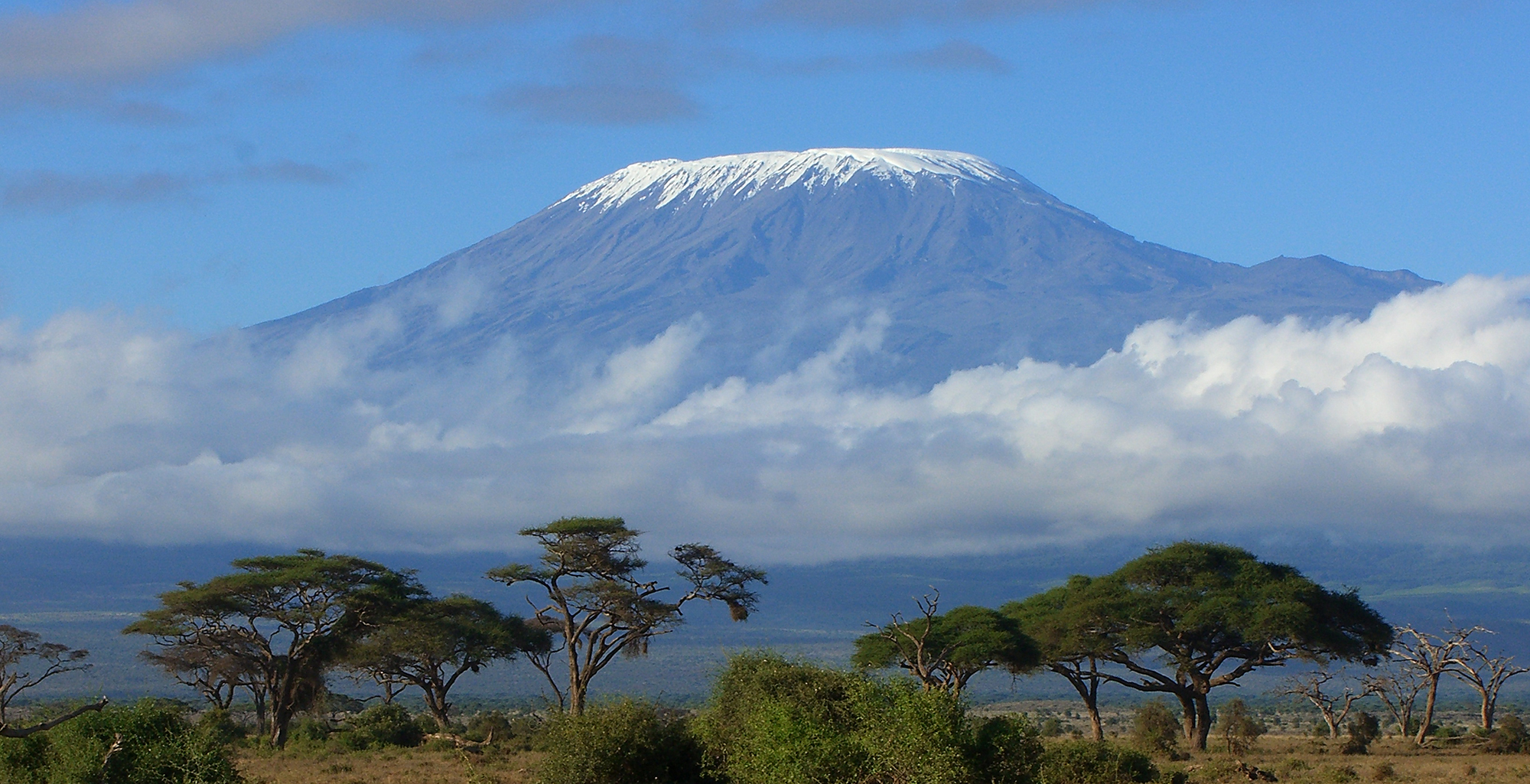
Kilimanjaro Mount
9. Respect the Mountain
Mount Kilimanjaro is not only a natural wonder but also an important part of Tanzania’s heritage. Responsible trekking helps preserve the mountain for future generations.
Visitors should:
- Leave no trace.
- Stay on designated trails.
- Respect local guides and porters.
- Minimize plastic waste.
- Follow park regulations at all times.
Sustainable tourism helps protect Kilimanjaro’s fragile ecosystem while supporting local communities.
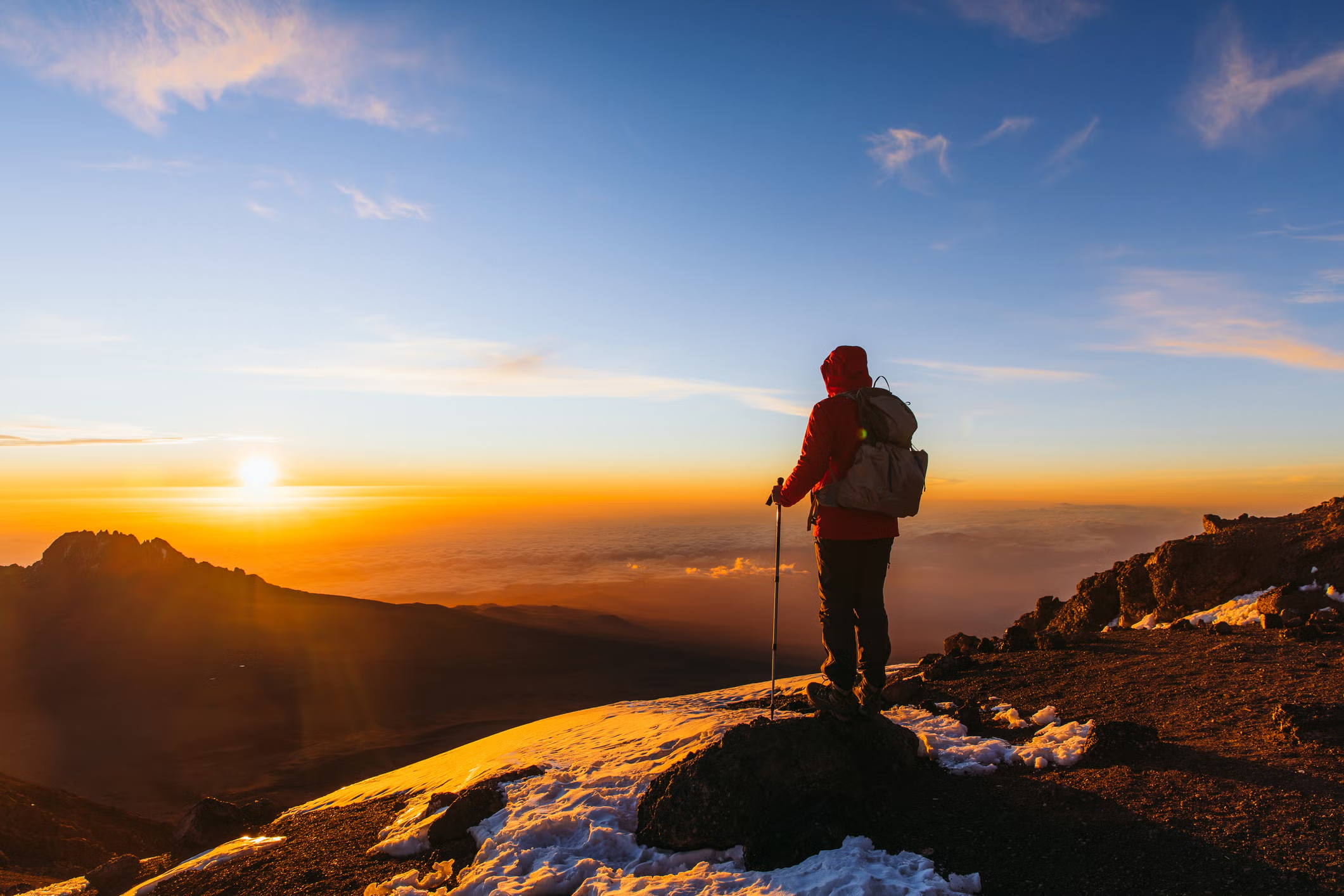
Trekking Mount Kilimanjaro
10. Celebrate an Incredible Achievement
Standing at Uhuru Peak (5,895 m) is more than reaching Africa’s highest point—it represents determination, perseverance, and personal accomplishment. Every step of the journey, from lush rainforest to the glacier-covered summit, creates memories that last a lifetime.
Many travelers combine their Kilimanjaro climb with a wildlife safari in Serengeti, Ngorongoro, Tarangire, or Lake Manyara, followed by a relaxing beach holiday in Zanzibar. This combination offers the ultimate Tanzanian adventure, blending mountain trekking, world-class wildlife, and tropical relaxation into one unforgettable experience.
Whether you’re climbing to challenge yourself, celebrate a milestone, or fulfill a lifelong dream, Mount Kilimanjaro offers an extraordinary adventure unlike any other. With proper preparation, the right equipment, and an experienced guiding team, you’ll be ready to take on one of the world’s most iconic mountains and experience the unforgettable journey to the Roof of Africa.